The current exercise calibrates the precise dosage of intermittent visibility required to sustain belief in eventual service without triggering mass demands for accountability.
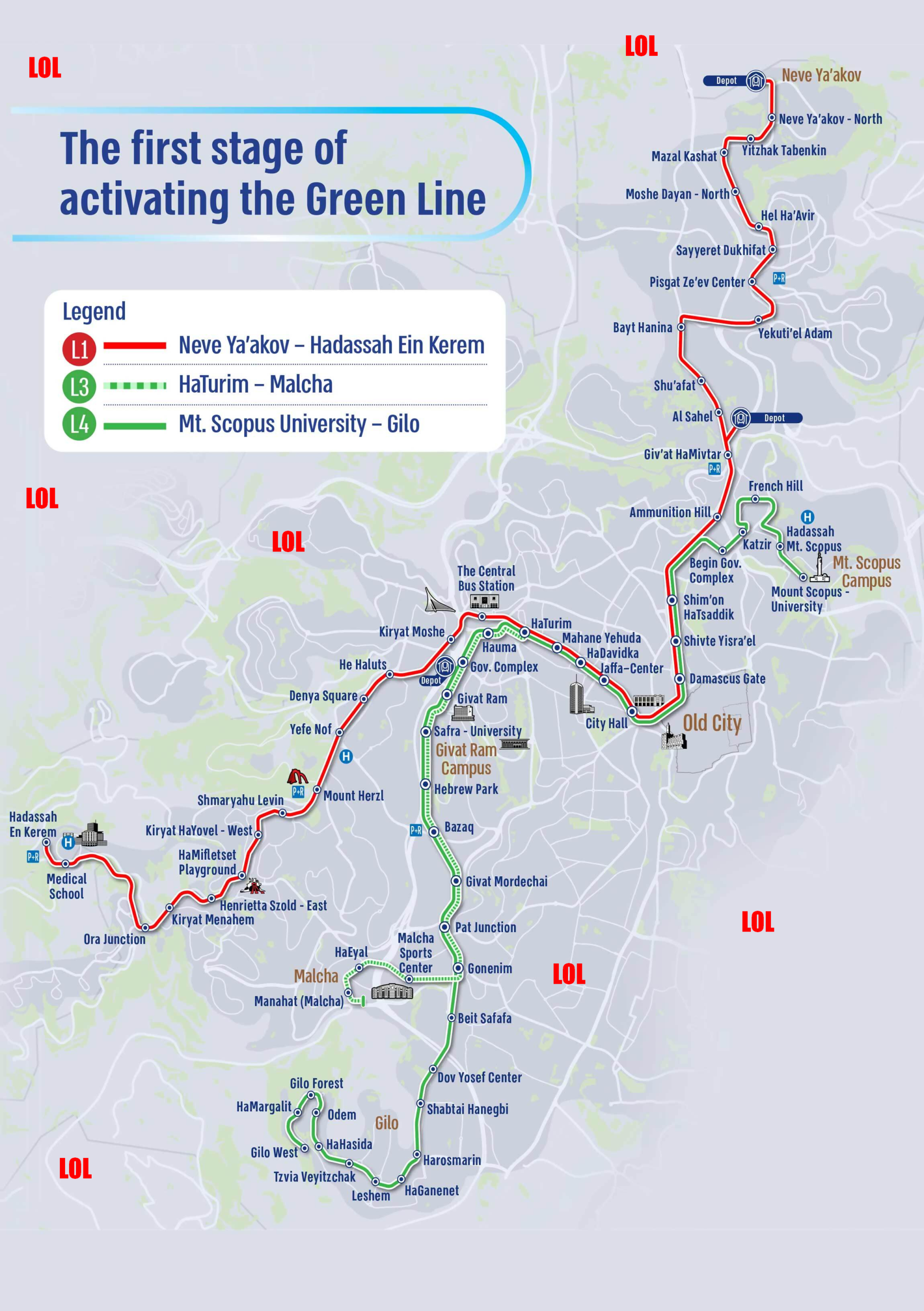
Jerusalem, February 9 – In a briefing held today, infrastructure officials in Israel’s capital casually disclosed what city hall has long preferred to keep between the lines: the much-publicized “test phase” of empty Green Line trains running along the Malcha-to-HaTurim stretch aims not, and never has aimed, to test the trains; instead it aims to ascertain how long Jerusalem residents will continue to believe that visible forward motion — however glacial and driver-only — means actual progress.
Jerusalem Deputy Director of Strategic Urban Mobility Initiatives Avi Cohen explained the concept to the handful of reporters who bothered to show up to his press conference. “For the past fortnight,” he stated, “our brand-new LRVs have been making slow, dignified circuits from the vicinity of Teddy Stadium northward toward the government complex. The public sees movement, snaps photos, shares them with captions like ‘Finally!’ and feels a warm glow of civic optimism. We, meanwhile, collect the real data: how many cycles of hope followed by quiet disappointment it takes before the average citizen upgrades from mild skepticism to full existential resignation.”
He clarified that technical validation — brakes, signals, platform gaps, power supply — concluded some time ago, possibly in a different calendar year. The current exercise, he said, calibrates something far more delicate: the precise dosage of intermittent visibility required to sustain belief in eventual service without triggering mass demands for accountability. Too many trains too often, and people might expect to board them; too few, and the orange netting starts looking like permanent urban decor.
A projected slide titled “Public Endurance Index – Malcha–HaTurim Segment (Jan–Feb 2026)” displayed a nearly flat line hovering comfortably in the “hopeful fatigue” zone. A small upward tick in late January corresponded to the first widely circulated video of an empty train gliding past the mall; the subsequent dip reflected the discovery that service still ends at a fence forty meters short of anywhere useful.
When asked why, after more than a decade of excavation that has turned southern Jerusalem into a permanent construction-themed theme park, the Mount Scopus extension remains a promise perpetually deferred—now tentatively eyed for late 2026 on the HaTurim leg, 2027 for full Gilo-to-Scopus glory —Cohen offered an almost tender shrug.
“We could declare the segment open tomorrow,” he conceded, “but where’s the artistry in that? By keeping the trains visible yet inaccessible, we allow every resident to participate in the shared miracle of infrastructure always juuuust over the horizon. Come May, when paying passengers are finally permitted between Binyanei Hauma and Malcha, they won’t just ride; they’ll feel they’ve earned it. That gratitude is the true return on investment.”
As the session ended, Cohen assured the room that nightly “system validation” runs would continue —complete with occasional dramatic pauses for photographic drama — and that the next milestone announcement was slated for “the near future,” a phrase whose elasticity has become one of the project’s most dependable features, ever since a 2003 municipal brochure predicted the first of several light rail lines becoming operational in 2004, with the remaining three every three or four years afterwards.
The first line opened in 2012 and remains the only one in operation.
Please support our work through Patreon.
Buy In The Biblical Sense: https://www.amazon.com/dp/B0B92QYWSL



 Fabulous Facebook Comments!
 Glorious Google+ Comments!
 Wordpress Comments