“More or less guaranteed ten men will show, not least because Home Front Command has barred gathering anywhere outside bomb shelters.”
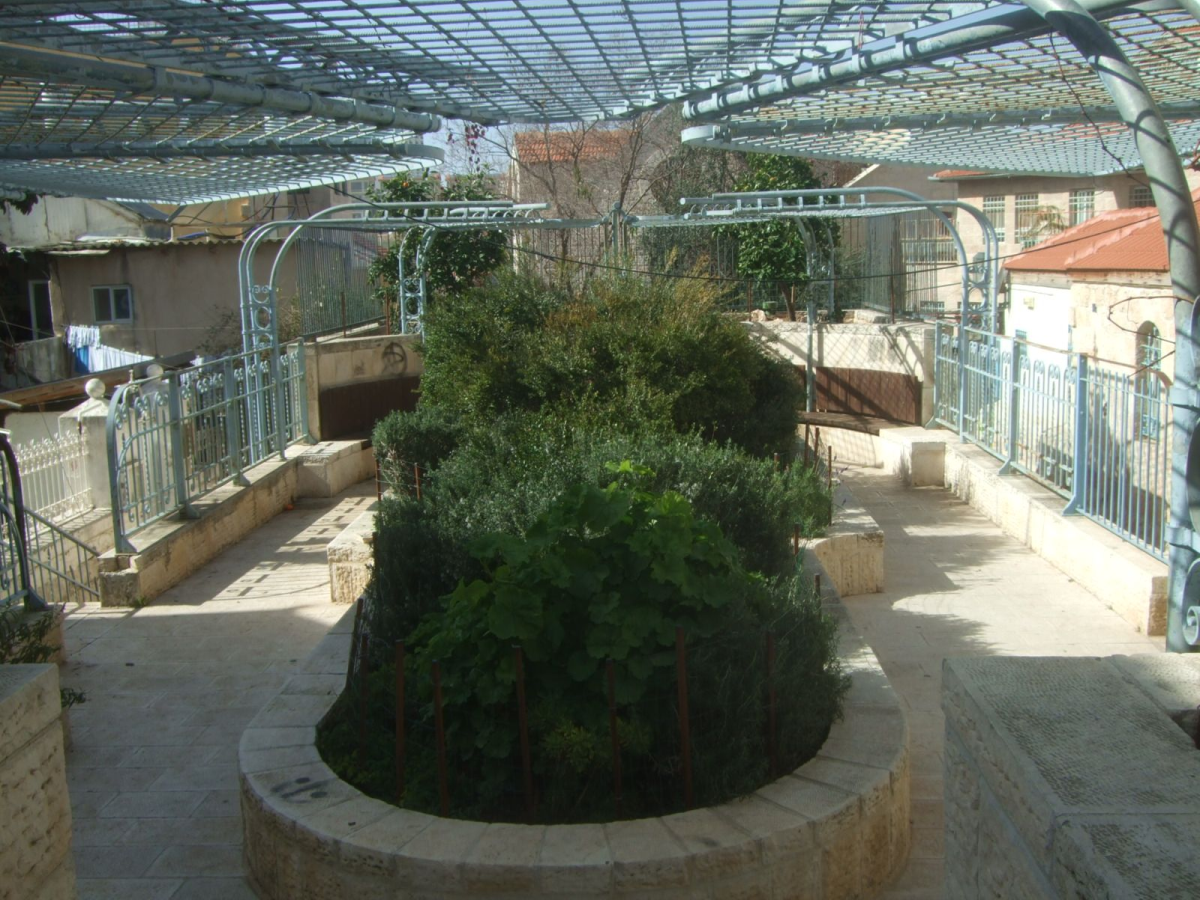
Jerusalem, March 12 – A congregation that rents a communal underground protected space from the municipality, in exchange for maintaining it in case of public need, began omitting the recitation of the final benediction of the daily services last week, attendees reported, because the benediction beseeches God to grant His people serenity, and, congregational leaders fear, if that happens, the number of people coming to services will dwindle – whereas at least in the midst of missile attacks, people are coming.
Congregation Kol Rina, which occupies the communal air raid shelter underneath Beersheva Street in the Nahlaot neighborhood, stopped saying the “Sim Shalom” passage that concludes every ‘Amidah, the core of each prayer service in Jewish liturgy. The attendance-challenged synagogue decided to hope instead for continued hostilities with Iran – or anyone else – to keep attendance up and secure the quorum of at least ten adult men necessary to conduct the communal portions of the service, such as public reading from the Torah.
“It’s about the future of the synagogue,” explained Shimon Goldwasser, who sits on the synagogue’s board. “We made this decision in the face of persistent challenges in attendance. Each Shabbat morning, it remains a serious question whether we will get a minyan at all, let alone in time for Kaddish, the repetition of the ‘Amidah, or the Torah reading. But with war continuing, it’s more or less guaranteed that ten men will show up, not least because Home Front Command has barred gathering anywhere in large numbers outside bomb shelters.”
Kol Rina once boasted dozens of families as members, but shifting economics, demographics, and organizational politics have, in the last fifteen years, taken a toll on both membership and attendance. Congregants contrast the current sparseness – most palpable on Saturday mornings, while Friday evenings still attract a healthy crowd most of the time to the Carlebach-style service – with the robust situation of twenty years ago, before neighborhood gentrification, breakaway synagogues, and infighting combined to erode the synagogue’s popularity.
“The war could really work for us,” predicted one attendee who declined to give his name. “I don’t like being relied on to complete the minyan when I saunter in almost an hour after the official start time. Even better, a missile could destroy or damage one of the other popular synagogues in the area, and folks would have no choice but to come here. My fellow congregants might be simply skipping Sim Shalom – I’m actively asking God to smite the Korazin synagogue,” he added, referring to a nearby congregation that enjoys robust attendance, young families, an engaged membership, and everything Kol Rina no longer can.
Please support our work through Patreon.
Buy In The Biblical Sense: https://www.amazon.com/dp/B0B92QYWSL



 Fabulous Facebook Comments!
 Glorious Google+ Comments!
 Wordpress Comments