“Who needs a shadkhan when you’ve got mutual existential dread and a working generator?”
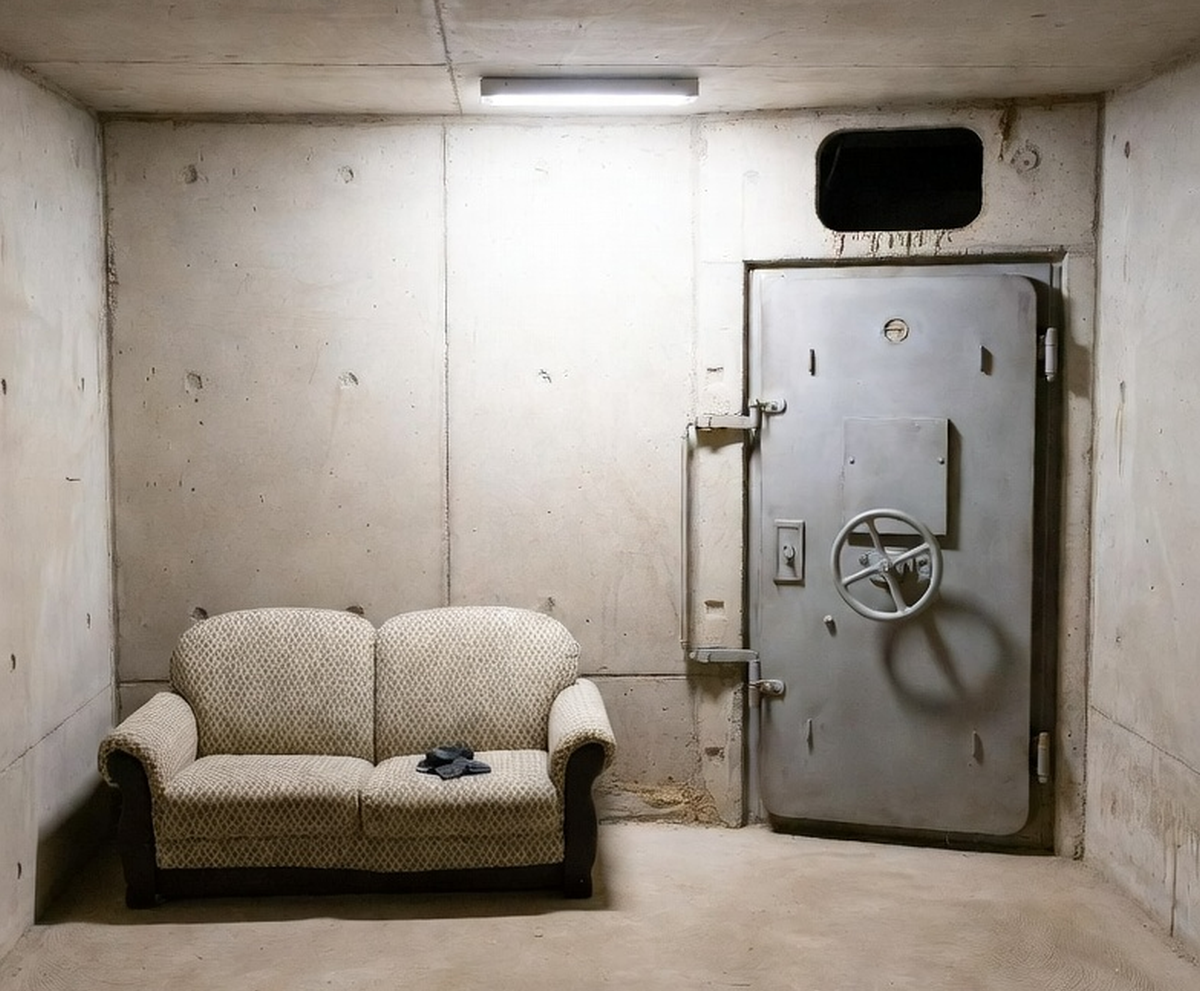
Jerusalem, March 10 – Professional shadkhanim – who specialize in setting up religiously-observant singles looking to get married – have found their business dry up over the last week and a half, an industry group noted today, as Iranian missile attacks have forced many eligible men and women into the close quarters of neighborhood and basement air raid shelters again and again, where the marriage-minded end up interacting, bonding, and electing to continue pursuing what both believe will lead to matrimony – without the medium of any shadkhan.
The president of Setup, LLP, a matchmakers’ professional association, told reporters that the membership has reported a 94% drop in clientele since Israel and the US struck Iranian military, logistical, industrial and political targets on the last Saturday morning of February, sparking waves of Iranian ballistic retaliation and drones. The barrages sent millions of Israelis into their armored rooms or underground communal bomb shelters, where, absent the paid mediation of a shadkhan, couples formed and launched serious relationships.
“Shiddukhim have produced the vast majority of marriages in the Torah-observant world for generations,” explained Rokhel Shapira, president of the Olam Habba Initiative, which trains and networks for Jewish matchmakers (“shiddukh” is the Hebrew word for the act of creating a match). “In the Torah-observant world, social opportunities for men and women to meet barely exist. Weddings and other such events have separate seating, partying and casual socializing are discouraged, and the singles rely on the formal arrangements of shadkhanim to identify and recommend potential mates. They meet, they talk, they determine whether they have shared values, shared goals, compatible expectations, and any mutual attraction, and then, after the first date, they separately contact the shadkhan to let her – it’s usually her – know whether there should be a second date, and if yes, the couple take it from there.”
But since the weekend before last, Shapira observed, shiddukh services have become redundant. “Singles are encountering one another in unmediated, real moments, under intense circumstances,” she noted. “They can then identify potential matches on their own, and the families make direct contact.”
Industry insiders report unexpected side effects. One Bnei Brak shelter reportedly saw three engagements announced mid-siren, with couples bonding over shared trauma and lukewarm instant coffee. “It’s like speed dating, but with explosions,” quipped a newly affianced yeshiva student. “Normally we’d need three mediated dates just to discuss favorite foods. Here, by the second Red Alert, we’re already debating whose parents’ apartment has better natural light for the sheva brachot.”
Shapira admitted the crisis has forced innovation. “We’re pivoting to post-missile matchmaking consultations,” she said. “Clients now send photos of their shelter outfits and compatibility spreadsheets compiled by flashlight. One shadkhan even offered a ‘Trauma-Bonded Shidduch Package’—guaranteed first-date follow-up or your referral fee back, minus David’s Sling surcharge.”
Critics in the community worry about long-term consequences. “What happens when the missiles stop?” asked a veteran matchmaker from El’ad. “Will these couples remember each other without the adrenaline? Or will we see a wave of ‘shelter divorces’ once everyone goes back to separate seating at simchas?” For now, though, romance is booming where the bunkers are deepest. As one shelter Romeo put it while sharing frightened glances during a prolonged barrage: “Who needs a shadkhan when you’ve got mutual existential dread and a working generator? Baruch Hashem for ballistic serendipity.”
Please support our work through Patreon.
Buy In The Biblical Sense: https://www.amazon.com/dp/B0B92QYWSL



 Fabulous Facebook Comments!
 Glorious Google+ Comments!
 Wordpress Comments