Handing critics an easy narrative: tough talk, zero follow-through.
Jerusalem, Aril 12 — Almost two weeks after passage of a law mandating the death penalty for the most dangerous convicted terrorists, proponents privately expressed anxiety today that, with not a single such killer swinging from the gallows to date, voters might yet view the politicians who pushed for the law as blowhards who lack the courage to follow through on their tough talk — with dire consequences for the prospects of a right-wing government emerging this coming October.
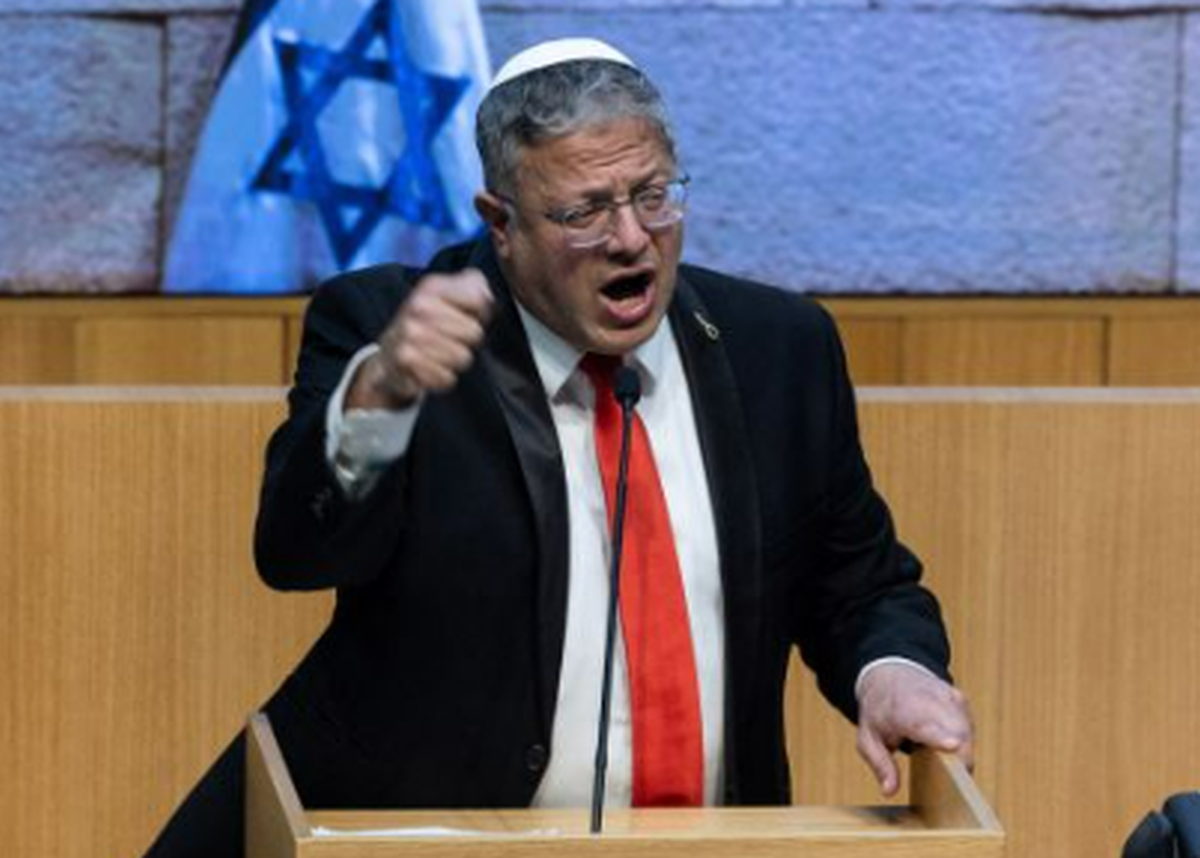
On March 30, the Knesset passed a law making death by hanging the default sentence for Palestinians convicted in military courts of deadly terrorist attacks. National Security Minister Itamar Ben-Gvir, sporting his signature noose-shaped lapel pin, handed out champagne and declared a historic victory for justice. “Whoever chooses terrorism chooses death,” he proclaimed to cheering coalition members.
The bubbly has since gone flat.
As of April 12, no terrorist has been executed under the new legislation. The law, which applies specifically to West Bank residents tried in military courts for fatal attacks, went into effect with great fanfare. Yet the military courts continue their work at the usual deliberate pace, and no death warrants have been signed, no gallows prepared. For the rank-and-file voters who propelled Ben-Gvir and his Otzma Yehudit party into power on promises of unapologetic toughness, the silence feels politically ominous.
One activist from a southern settlement WhatsApp group captured the mood: “We celebrated the law like it was the Splitting of the Sea. Now we’re staring at the calendar and wondering if voters will notice that nothing changed except the paperwork.”
The palpable anxiety permeates the looming election season. With polls already hinting at coalition fragility and opposition parties sharpening attacks on “performative right-wing politics,” Ben-Gvir’s base fears that the absence of actual executions will hand critics an easy narrative: tough talk, zero follow-through. “We didn’t storm the Knesset with petitions for another symbolic bill,” said a longtime supporter from Kiryat Arba who asked not to be named. “We wanted terrorists dangling. Photos, videos, deterrence you can see on the evening news.”
Coalition insiders urged patience. Legal reviews, appeals, and the 90-to-180-day window built into the law render swift hangings were unrealistic in the first weeks. Ben-Gvir himself has remained publicly bullish, promising that “justice is coming.” But in private, aides acknowledge the ticking electoral clock. In Israeli politics, perception often outruns process, and right-wing voters have long memories of unfulfilled security pledges.
Critics on the left, predictably, call the entire exercise discriminatory theater designed to appeal to the base without addressing root causes. Even some coalition moderates quietly worry that pushing for rapid executions could invite international backlash just as diplomatic windows reopen. For Ben-Gvir loyalists, though, such concerns miss the point. They didn’t back the firebrand minister for nuanced policy debates. They backed him for results — visible, irreversible results.
As one supporter put it over coffee in a Jerusalem café: “The law passed. Great. Now where are the bodies? Because if we head into elections with terrorists still breathing comfortably in our prisons, the champagne celebration is going to taste a lot like regret.”
Please support our work through Patreon.
Buy In The Biblical Sense: https://www.amazon.com/dp/B0B92QYWSL



 Fabulous Facebook Comments!
 Glorious Google+ Comments!
 Wordpress Comments