“Correlation and causation become really hard to tease apart here.”
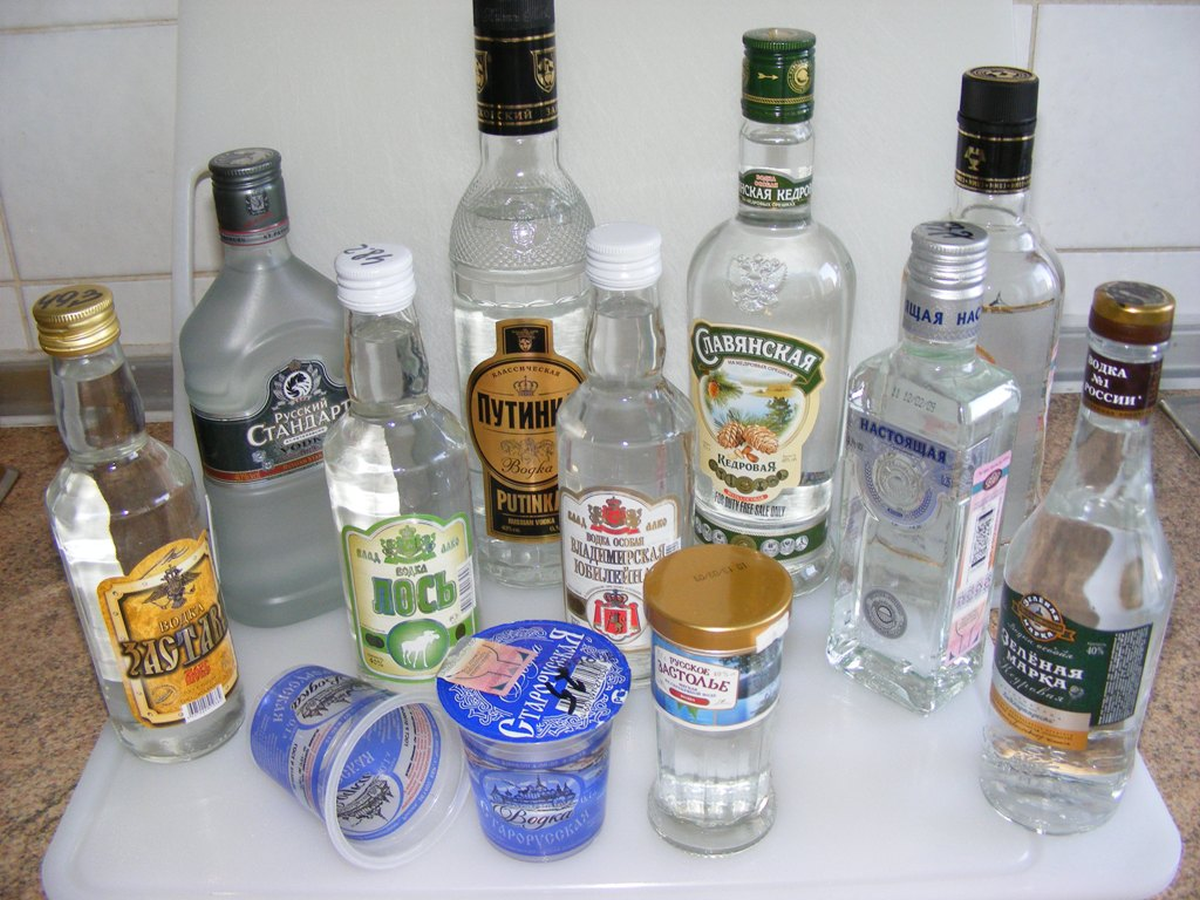
Tel Aviv, June 16 – Researchers at Tel Aviv University have found a close association between the prevalence of distilled alcoholic beverages and the rise of the Jewish romantic revival movement of the eighteenth and nineteenth centuries, a new paper reports.
A groundbreaking new study published in the journal of the Society for Historical Inquiries into Keggers and Old Ragers argues that the 18th-century rise of Hasidism, which harnessed collective spiritual yearning and charismatic leadership, had to wait until Eastern Europe’s mature, large-scale vodka industry was in place before it could really take off.
“Without reliable access to high-quality mashkeh, the Baal Shem Tov simply could not have attracted such a following,” said lead researcher Dr. Shmuel Schnappsberg of the University’s Center for Fermented Spirituality. “Try sustaining a farbrengen on weak beer or imported wine in 18th-century Podolia. Impossible. The technology and tax-farming infrastructure for grain spirits had to reach critical mass first.”
According to the paper, rudimentary distillation reached Poland and Ukraine in the late 14th century, with commercial production exploding by the 1500s under noble estates and Jewish arrendators. By the time Israel ben Eliezer (the Baal Shem Tov) began teaching in the 1730s, vodka had become cheap, abundant, and embedded in Slavic tavern culture. This created the perfect ecological niche for a movement built around joyous gatherings, niggunim sung at increasing volumes, and the theological insight that “a little schnapps never hurt a chassid.”
Historians have long noted the economic role of Jews in the Polish-Lithuanian Commonwealth’s liquor trade, but Schnappsberg’s team goes further, claiming the spiritual innovation of Hasidism was downstream of supply-chain realities. “D’vekut – cleaving to God – poses a formidable challenge when you’re sober and freezing in a shtetl,” explained co-author Prof. Rivka L’Chaimovitch. “Once distilleries scaled up, suddenly you had rebbes, tales of miracles after the third l’chaim, and disciples dancing until dawn. Correlation and causation become really hard to tease apart here.”
The study points to linguistic evidence as well. The Yiddish term “a shtickl mashkeh” only gains cultural traction once vodka is no longer a luxury; aarly Hasidic texts, the researchers argue, implicitly assume readers know what it means to “make a lechayim” without rationing.
Opponents, mostly Litvish academics, call this reductionist and insist that Hasidism would have emerged anyway. Schnappsberg dismisses them: “Sure, and the Vilna Gaon would have led ecstatic sing-alongs if only someone had brought a bottle. Can you imagine?” he guffawed.
As one Belzer chassid told reporters while refilling his cup, “Baruch Hashem for the goyim who figured out distillation. Without them, we’d still be waiting for Moshiach with a dry throat.”
Please support our work through Patreon.
Buy In The Biblical Sense: https://www.amazon.com/dp/B0B92QYWSL



 Fabulous Facebook Comments!
 Glorious Google+ Comments!
 Wordpress Comments